
Bulimic Hyperphagia: Beyond "Gluttony" to a Real Disorder
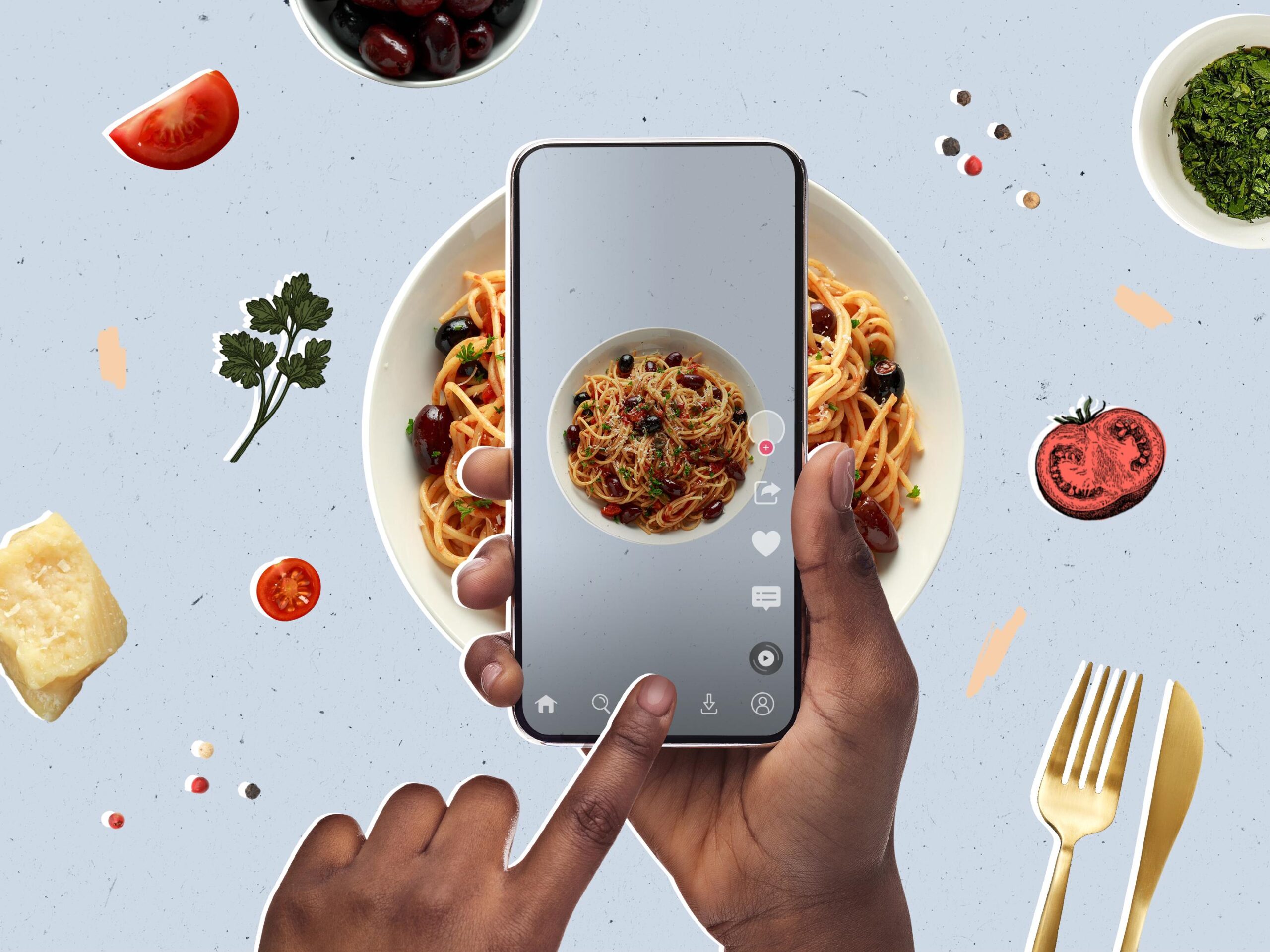
Scrolling through your feed for just a few minutes is enough to be flooded with videos titled “What I Eat in a Day,” “The Secret to My Weight Loss,” or “Why You Need to Ban This Ingredient.” On TikTok and social media, everyone styles themselves as a nutrition expert.
Behind these aesthetic videos and fast-paced edits often lie poorly wrapped, false advice. For platform algorithms, the most profitable content is that which shocks, divides, or promises miracle results. Unfortunately, this quest for clicks often comes at the expense of our mental and physical health. Let’s decode this phenomenon together to relearn how to listen to our bodies rather than our screens.
The Trap of "What I Eat in a Day" Content
“What I Eat in a Day” videos rack up billions of views. At first glance, they seem inspiring. Yet, they represent one of the biggest traps for our eating behavior.
These videos share a completely distorted and heavily edited reality. They create an inevitable comparison: “If this radiant person eats like this to be happy, I should do the same.” The problem? This content completely denies body diversity and the individuality of our nutritional needs. What works for a 20-year-old influencer on the other side of the world is absolutely not adapted to your metabolism, your health history, or your energy levels.
When the Pursuit of Health Shifts Toward an Eating Disorder (ED)
Diet culture has morphed. It no longer always displays the word “diet,” which has become unpopular, but advances masked under the labels of “wellness,” “clean eating,” or health optimization.
This obsessive quest for food purity has a name: orthorexia, an eating disorder (ED) increasingly seen in clinics. Search algorithms push rigid rules (banning gluten, eliminating sugar, fasting for hours) that criminalize certain foods. For a vulnerable individual or someone with a predisposition, this repeated exposure to guilt-inducing messages can act as a direct trigger for an ED, whether it’s anorexia, bulimia, or binge eating.
Screen Filters and Body Image Distortion
We cannot talk about web nutrition trends without addressing the impact of visual tools on our mental health. Social media algorithms overwhelmingly favor bodies that meet unrealistic beauty standards, often modified by filters that are increasingly sophisticated and invisible to the naked eye.
This constant exposure creates what psychologists call digital dysmorphia: a profound dissatisfaction with one’s own body, perceived as “imperfect” compared to the artificial perfection of screens. In an attempt to achieve these virtual silhouettes, many fall into the trap of severe restrictions, a behavior that paves a direct path to eating disorders. Diet culture uses this insecurity to make you believe that your value is tied to your weight. Yet, body diversity is a biological reality. Wanting to modify your diet solely to alter your body’s appearance, under the influence of an algorithm, distances us from our actual needs and maintains a toxic cycle of guilt.
Intuitive Eating: The True Internal Algorithm
Faced with the noise generated by the web, how can we find peace again? The answer is not found in a new calorie-tracking app, but in returning to intuitive eating.
Intuitive eating is not a diet: it is a process of reconnecting with the only algorithm that truly matters: your biological signals.
- Hunger and fullness: Your body knows exactly how much energy it needs. Social networks do not know your current hunger.
- Food pleasure: Eating must remain a source of satisfaction, without secondary thoughts or compensation through exercise.
- Body kindness: Learning to respect your body as it is, rather than trying to fit it into the mold of a screen filter.
The Nutritionist's Advice
At LauGau Nutrition, we observe every day the damage caused by nutritional misinformation on mental health. Social media algorithms are designed to capture your attention, not to look after your well-being.
If web weight-loss advice disconnects you from your intuition and poisons your daily life, it is time to close the app. Rebuilding a healthy, serene, and guilt-free relationship with food is a journey that requires gentleness. You do not need a rigid meal plan dictated by a screen; you simply need to trust yourself again.

